For individuals with Chronic Kidney Disease (CKD), reading food labels is an essential skill. Understanding how to identify sodium, potassium, and phosphorus content helps you make informed dietary choices and manage your kidney health effectively. While food labels can seem confusing at first, mastering this skill will empower you to select kidney-friendly foods and avoid hidden dangers in processed products.
This article will guide you through the key components of food labels, explain what to look for, and provide practical tips for making better choices.
Why Food Labels Matter for CKD Patients
The kidneys play a crucial role in regulating sodium, potassium, and phosphorus in the body. When kidney function is impaired, consuming excessive amounts of these nutrients can lead to:
- Fluid Retention: Caused by high sodium intake.
- Heart Complications: Resulting from elevated potassium levels.
- Bone Weakness and Calcification: Triggered by excess phosphorus.
Reading food labels allows you to manage these nutrients and prevent complications.
Understanding the Key Parts of a Food Label
- Serving Size:
- Always check the serving size first. All nutrient values on the label correspond to this amount.
- Example: If the serving size is 1 cup but you consume 2 cups, you’ll need to double the nutrient values.
- Sodium Content:
- Sodium is listed in milligrams (mg). Look for foods with less than 140 mg per serving to be considered low-sodium.
- Tip: Foods with more than 400 mg of sodium per serving are generally too high for a renal diet.
- Potassium Content (If Listed):
- Potassium may not always appear on the label. If it does, aim for foods with less than 200 mg per serving.
- Tip: When potassium is not listed, check the ingredients for items like “potassium chloride,” which indicates a high potassium content.
- Phosphorus Content (If Listed):
- Phosphorus is rarely listed on labels, but many processed foods contain phosphorus additives.
- Tip: Look for ingredients with “phos-” in their names, such as “phosphoric acid” or “disodium phosphate.”
- Percent Daily Value (%DV):
- This indicates the percentage of the daily recommended intake for each nutrient based on a 2,000-calorie diet.
- For CKD Patients: Ignore %DV for sodium, potassium, and phosphorus, as your needs will differ significantly.
Ingredients to Watch Out For
Sodium-Containing Ingredients:
- Salt
- Sodium chloride
- Monosodium glutamate (MSG)
- Baking soda or baking powder
Potassium-Containing Ingredients:
- Potassium chloride
- Potassium phosphate
- Cream of tartar
Phosphorus-Containing Ingredients:
- Phosphoric acid
- Trisodium phosphate
- Calcium phosphate
Tip: The closer these ingredients are to the top of the list, the higher their concentration in the product.
How to Spot Kidney-Friendly Products
- Low Sodium Labels:
- Look for terms like “low sodium,” “very low sodium,” or “no salt added.”
- Avoid “Enhanced” Products:
- Meats and poultry labeled as “enhanced” or “self-basting” often contain added sodium and phosphorus.
- Be Wary of Packaged Snacks:
- Chips, crackers, and processed snacks are often high in sodium and phosphorus. Opt for unsalted options if possible.
Examples of Nutritional Label Analysis
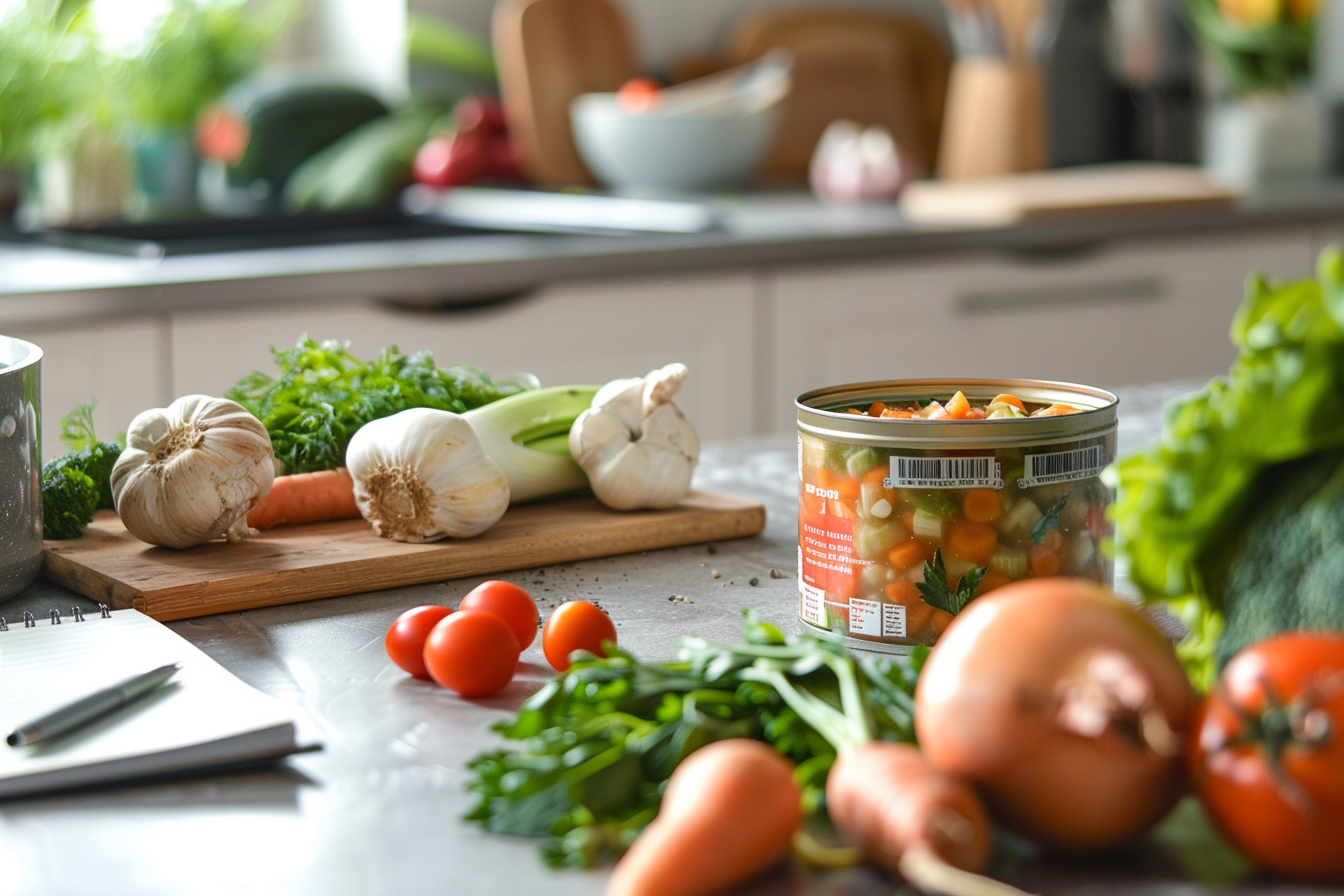
Example 1: Canned Soup
- Serving Size: 1 cup
- Sodium: 800 mg
- Potassium: Not listed (likely high).
- Phosphorus Additives: Check ingredients for “disodium phosphate.”
- Verdict: Too high in sodium and likely not kidney-friendly.
Example 2: Frozen Vegetables
- Serving Size: 1 cup
- Sodium: 10 mg (plain vegetables with no sauces).
- Potassium: Low in most plain frozen vegetables.
- Phosphorus Additives: None.
- Verdict: A good choice if no sauces or seasonings are added.
Example 3: Bread
- Serving Size: 1 slice
- Sodium: 120 mg
- Potassium: Not listed.
- Phosphorus Additives: Check for “monocalcium phosphate.”
- Verdict: Acceptable in moderation, depending on your daily limits.
Tips for Choosing Kidney-Friendly Foods
- Shop the Perimeter of the Grocery Store:
- Focus on fresh fruits, vegetables, and proteins.
- Opt for Whole, Unprocessed Foods:
- Fresh or frozen ingredients are less likely to contain added sodium, potassium, or phosphorus.
- Use Low-Sodium Alternatives:
- Choose unsalted butter, low-sodium broths, and reduced-sodium condiments.
- Rinse Canned Foods:
- Rinsing can reduce sodium content by up to 40%.
- Cook at Home:
- Preparing meals from scratch gives you control over the ingredients and nutrient content.
Tools to Simplify Food Label Reading
- Mobile Apps:
Apps like MyFitnessPal or CKD-specific trackers can help calculate sodium, potassium, and phosphorus intake. - Phosphate Binder Medications:
If prescribed, these can reduce the absorption of phosphorus from foods. - Ask a Dietitian:
A renal dietitian can help you identify safe brands and products.
Conclusion
Learning to read food labels is a powerful tool for managing kidney health. By understanding sodium, potassium, and phosphorus content, you can make smarter choices that align with your dietary needs. Remember, every small change adds up to better kidney care and overall well-being.