One of the biggest challenges for individuals with Chronic Kidney Disease (CKD) or anyone on a low-sodium diet is finding ways to make meals flavorful without relying on salt. While salt enhances flavor, it’s not the only way to create delicious and satisfying dishes. With a few simple hacks and creative ingredients, you can prepare meals that are bursting with taste while keeping your sodium intake in check.
This article explores innovative low-sodium cooking techniques, flavor-boosting ingredients, and tips to make your meals exciting and kidney-friendly.
The Problem with Sodium
Excess sodium can:
- Cause fluid retention, leading to swelling (edema).
- Increase blood pressure, which damages the kidneys and heart.
- Accelerate the progression of CKD.
Limiting sodium intake to less than 2,300 mg per day (or as advised by your doctor) is a crucial step toward protecting your health.
Low Sodium Cooking Hacks
1. Build Layers of Flavor
- Why It Works:
Layers of flavor from multiple ingredients make dishes more complex and satisfying. - How to Do It:
Combine aromatic vegetables (onions, garlic, celery), acids (lemon, vinegar), and herbs at different cooking stages for depth.
2. Use Natural Sodium Substitutes
- Ingredients:
Lemon juice, lime juice, vinegar (apple cider, balsamic), and unsalted broth. - Tips:
Add a splash of citrus or vinegar at the end of cooking to brighten flavors.
3. Experiment with Herbs and Spices
- Why It Works:
Fresh and dried herbs add vibrant flavors without salt. - Ideas:
- Basil, parsley, cilantro, dill, thyme, and oregano for savory dishes.
- Cinnamon, nutmeg, and cardamom for sweet or spiced recipes.
4. Add Heat and Umami
- Why It Works:
Heat from chili flakes, peppers, or ginger creates complexity, while umami (savory) flavors mimic the depth of salt. - Ingredients:
- Chili powder, smoked paprika, garlic powder, nutritional yeast (sparingly).
5. Infuse Flavor into Liquids
- Why It Works:
Cooking grains or proteins in flavored water or unsalted broth enhances taste. - Tips:
- Add garlic, bay leaves, or herbs to boiling water before cooking rice or pasta.
Creative Flavor Pairings
1. Citrus and Herbs
- Examples:
- Lemon and dill for chicken or fish.
- Lime and cilantro for salads or rice.
2. Sweet and Savory
- Examples:
- Roast vegetables like carrots or sweet potatoes with cinnamon and nutmeg.
- Glaze chicken with honey and smoked paprika.
3. Earthy and Spicy
- Examples:
- Roast mushrooms with garlic and thyme.
- Add ginger and turmeric to soups or stews.
Kidney-Friendly Recipes with No Added Salt
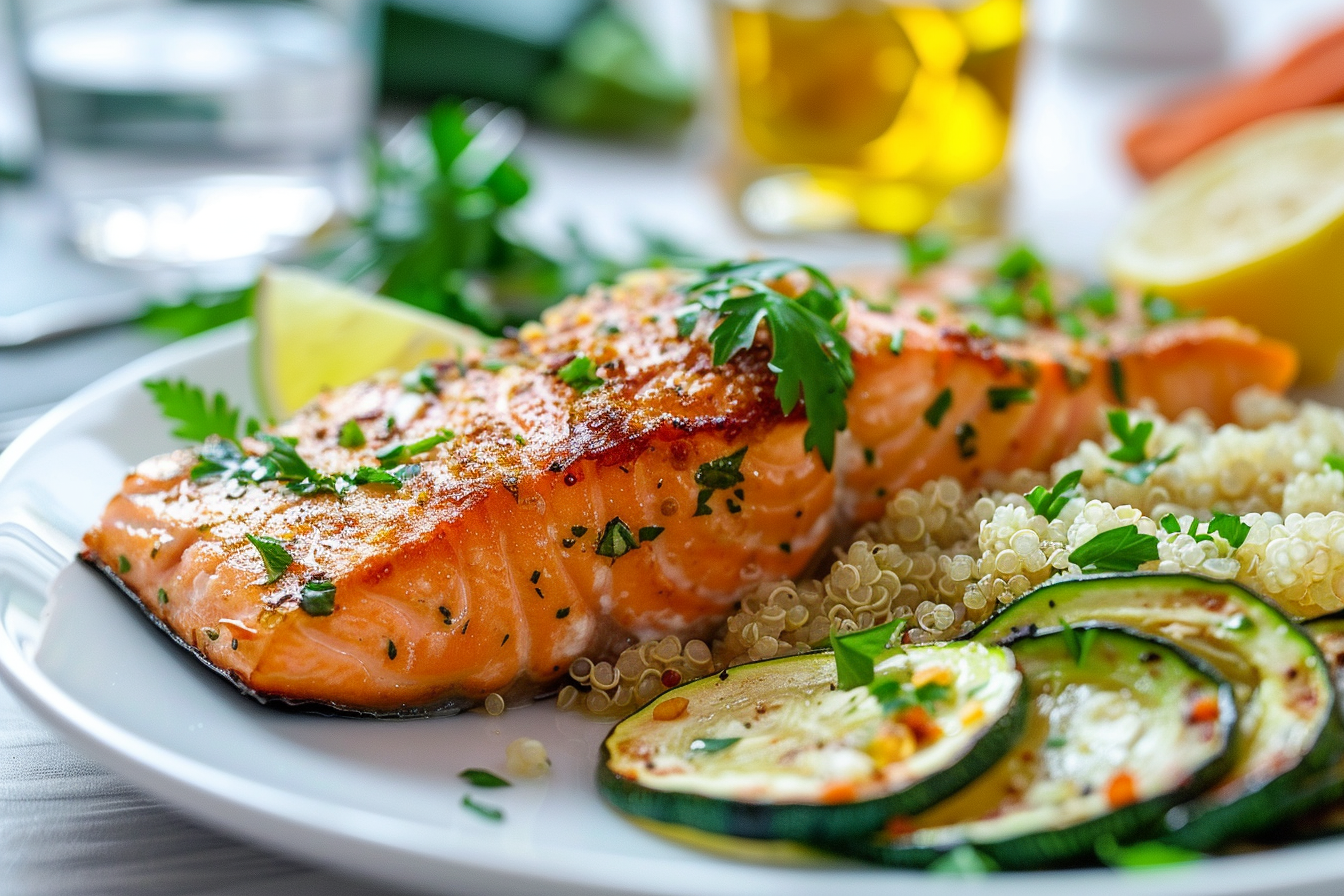
1. Herb-Crusted Salmon
- Ingredients: Fresh dill, parsley, lemon zest, and olive oil.
- Cooking Tip: Rub the herb mixture onto salmon fillets and bake. Serve with roasted zucchini and quinoa.
2. Spiced Cauliflower Steaks
- Ingredients: Turmeric, smoked paprika, cumin, and olive oil.
- Cooking Tip: Roast thick cauliflower slices until golden and serve with a squeeze of lime.
3. Citrus-Roasted Chicken
- Ingredients: Lemon juice, garlic, rosemary, and olive oil.
- Cooking Tip: Marinate chicken in the mixture and bake until tender. Pair with steamed green beans and mashed cauliflower.
4. Sweet Potato and Ginger Soup
- Ingredients: Fresh ginger, nutmeg, coconut milk (unsweetened), and vegetable broth.
- Cooking Tip: Blend roasted sweet potatoes with the ingredients for a creamy, savory soup.
5. Mediterranean-Inspired Grain Bowl
- Ingredients: Cooked farro (or white rice), cucumbers, tomatoes, fresh basil, and a drizzle of lemon-tahini dressing.
- Cooking Tip: Toss all ingredients together and garnish with fresh parsley.
Smart Swaps for Common High-Sodium Ingredients
| High-Sodium Ingredient | Low-Sodium Alternative |
|---|---|
| Salt | Lemon juice, vinegar, or garlic |
| Soy Sauce | Low-sodium soy sauce or coconut aminos |
| Broth | Unsalted broth or homemade stock |
| Canned Vegetables | Fresh or frozen vegetables |
| Salted Butter | Unsalted butter or olive oil |
Tips for Shopping Low-Sodium Ingredients
- Read Food Labels:
Look for “low sodium” or “no salt added” products with less than 140 mg of sodium per serving. - Choose Fresh or Frozen Produce:
Avoid canned vegetables unless labeled as “no salt added” and rinse thoroughly before use. - Avoid Salt Substitutes with Potassium:
Many salt substitutes contain potassium chloride, which may not be safe for CKD patients.
Conclusion
Low-sodium cooking doesn’t mean sacrificing flavor. By layering herbs, spices, and natural flavor enhancers, you can create meals that are both delicious and kidney-friendly. With these simple hacks and creative recipes, you’ll discover that cooking without salt can open the door to a world of fresh, vibrant flavors. Remember, every small change makes a big difference in protecting your kidney health.