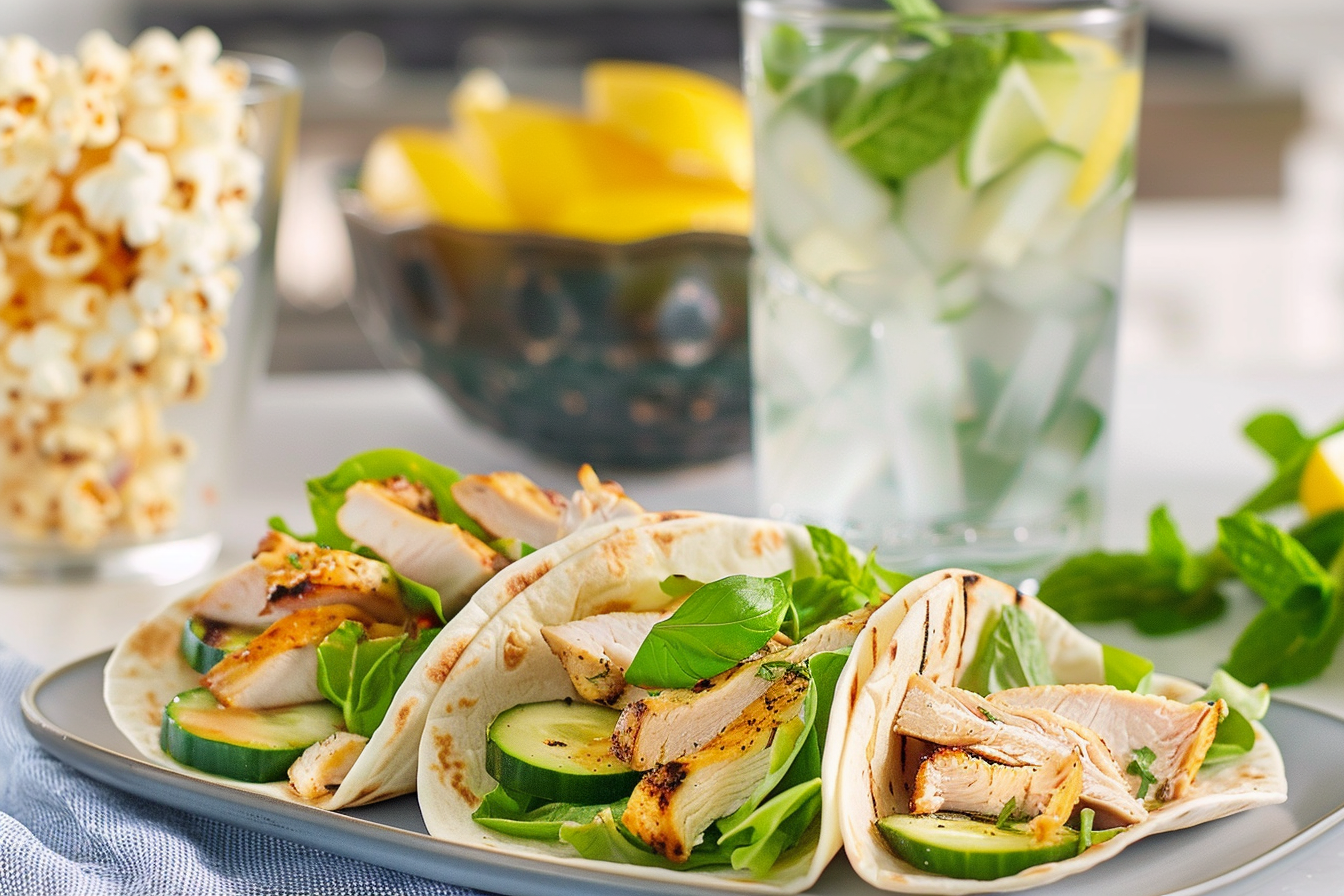
For individuals managing Chronic Kidney Disease (CKD), reducing sodium intake is a cornerstone of a healthy diet. Sodium is often hidden in everyday staples, making it challenging to stay within recommended limits. However, low-sodium alternatives allow you to enjoy your favorite foods without compromising your kidney health.
This article highlights the best low-sodium substitutes for common staples, along with practical tips to make your meals flavorful and kidney-friendly.
Why Sodium Reduction Matters for CKD
Excess sodium in the diet can:
- Increase Blood Pressure: Leading to added strain on the kidneys.
- Cause Fluid Retention: Resulting in swelling and discomfort.
- Worsen CKD Progression: By exacerbating existing kidney damage.
By choosing low-sodium alternatives, you can enjoy better overall health and protect your kidneys.
Low-Sodium Alternatives for Everyday Staples
1. Salt
- Replace With:
- Herbs and spices (e.g., basil, rosemary, paprika).
- Citrus (lemon or lime juice).
- Vinegar (apple cider or balsamic).
- Why It Works: Enhances flavor without adding sodium.
2. Soy Sauce
- Replace With:
- Low-sodium soy sauce.
- Coconut aminos (naturally low in sodium).
- Why It Works: Provides a similar umami flavor with less sodium.
3. Canned Vegetables
- Replace With:
- Fresh or frozen vegetables.
- “No salt added” canned options (rinse before use).
- Why It Works: Reduces hidden sodium from processing.
4. Bread
- Replace With:
- Low-sodium or homemade bread.
- Corn tortillas (unsalted).
- Why It Works: Bread is a sneaky source of sodium; alternatives help cut down intake.
5. Cheese
- Replace With:
- Low-sodium cottage cheese.
- Ricotta or fresh mozzarella (in moderation).
- Why It Works: Provides a creamy texture with less sodium.
6. Snacks
- Replace With:
- Unsalted popcorn.
- Fresh fruits (e.g., apples, blueberries).
- Raw vegetables with low-sodium hummus.
- Why It Works: Satisfies cravings without overloading on sodium.
7. Broth and Stock
- Replace With:
- Homemade low-sodium broth.
- “No salt added” commercial stocks.
- Why It Works: Processed broths are often sodium-heavy, so making your own or buying low-sodium versions ensures control.
8. Salad Dressings
- Replace With:
- Olive oil and balsamic vinegar.
- Yogurt-based dressings made at home.
- Why It Works: Provides rich flavors without relying on salt or processed ingredients.
9. Deli Meats
- Replace With:
- Freshly cooked, unseasoned turkey or chicken breast.
- Grilled fish.
- Why It Works: Deli meats are highly processed with added sodium and preservatives.
10. Condiments (Ketchup, Mustard)
- Replace With:
- Low-sodium ketchup.
- Dijon mustard (in moderation).
- Why It Works: Cuts back on sodium-heavy toppings without sacrificing taste.
How to Make Low-Sodium Cooking Flavorful
1. Use Fresh Herbs and Spices
- Examples: Basil, oregano, thyme, garlic powder (unsalted).
- Tip: Experiment with different combinations to create depth of flavor.
2. Embrace Acidity
- Examples: Lemon juice, lime juice, or vinegars.
- Tip: A splash of acidity can brighten up any dish.
3. Toast Spices
- Why: Enhances their natural flavors.
- Tip: Toast cumin or paprika in a dry pan before adding them to recipes.
4. Use Natural Sweeteners
- Examples: Honey, maple syrup (in small amounts).
- Tip: Adds a touch of sweetness to balance savory dishes.
Kidney-Friendly Recipes Using Low-Sodium Staples
1. Lemon Herb Chicken
- Ingredients: Chicken breast, olive oil, garlic powder, parsley, lemon juice.
- Tip: Marinate chicken in lemon juice and herbs before grilling.
2. Fresh Veggie Wrap
- Ingredients: Corn tortilla, sliced cucumbers, shredded lettuce, low-sodium hummus.
- Tip: Add a splash of balsamic vinegar for extra flavor.
3. Homemade Vegetable Soup
- Ingredients: Fresh zucchini, carrots, celery, “no salt added” vegetable broth.
- Tip: Season with thyme and smoked paprika for a hearty dish.
4. Greek Yogurt Dressing
- Ingredients: Unsweetened Greek yogurt, lemon juice, garlic powder, dill.
- Tip: Use as a salad dressing or dip for fresh veggies.
Sample Low-Sodium Meal Plan
Breakfast:
- Scrambled egg whites with fresh parsley and a slice of low-sodium bread.
- A small bowl of fresh blueberries.
Snack:
- Sliced cucumbers with low-sodium hummus.
Lunch:
- Grilled turkey breast on a corn tortilla with lettuce and a drizzle of olive oil.
- A side of steamed green beans.
Snack:
- Unsalted popcorn or a small apple.
Dinner:
- Lemon herb chicken breast with roasted zucchini and mashed cauliflower.
- A glass of water infused with lemon and mint.
Conclusion
Transitioning to a low-sodium lifestyle doesn’t mean sacrificing flavor or variety. With the right alternatives for everyday staples, you can enjoy delicious, kidney-friendly meals that support your health and well-being. By shopping smart and cooking creatively, you can take control of your sodium intake without compromising on taste.